
‘Zane’s Law’ seeks to address the crisis of contaminated land, aligning the UK with global best practice for the proper protection of communities from hazardous land, and reinstating legislative provisions removed by governments from the 1990 Environment Protection Act.
Zane’s Law – ‘The Clean Land (Human Right) Bill’ – is currently being drafted, and will progress as sister legislation to the Clean Air (Human Rights) Bill, currently on its second reading in parliament Clean Air (Human Rights) Bill – Parliamentary Bills – UK Parliament. The TUC have committed resources to developing the Zane’s Law legislation and Baroness Natalie Bennett has committed to introducing it as a Private Member’s Bill through the House of Lords.
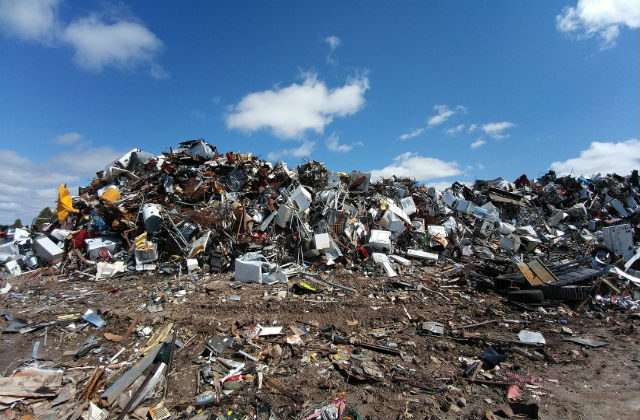
Many countries already have laws in place that protect communities from the dangers of toxic land, in line with the UN Human Rights Council resolution ‘The human right to a clean, healthy and sustainable environment’, approved by the UN General Assembly, in July 2022.
‘Zane’s Law’ proposes that the following measures be vigorously pursued in the UK, with no ambiguity in government guidance, to prioritise the protection and safety of people and planet above all other considerations.
- Every local authority must keep a full, regularly updated Register of Land that may be contaminated within their boundary.
- The Environment Agency must keep a full, public National Register of Contaminated Land to be regularly updated by information from local authorities.
- The Registers of Land must be accessible and available for inspection by the general public. Relevant local authorities must fully inspect any land registered that may be contaminated and must fully remediate or enforce remediation of any land which poses harm to public safety, or which pollutes controlled waters.*
- Relevant local authorities must be responsible for inspecting previously closed landfill sites and fully remediating them, or enforcing their remediation, when they pose a risk of significant harm to people or controlled waters.
- The Government must take full responsibility for providing the necessary funds for local authorities to meet these new requirements, following the ‘polluter pays’ principle: to recover costs as appropriate where those responsible for the pollution can be identified.
* coastal waters, ground waters, inland freshwaters and relevant territorial waters.
- Read about the Right to a Healthy Environment from the UN Environment Programme.
- Read what the European Environment Agency has to say about management of contaminated sites in Europe.
